Hi Guest | member Alerts | Messages Sign up now!
Get weather and forecast for:
Courtesy of Weather.com
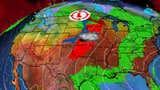
How to Read a US Current Surface Map? Surface maps show large-scale elements of the weather. These elements include high and low pressure systems, cold and warm fronts, and precipitation areas. Fair weather is typically associated with high pressure. Stormy weather is often associated with low pressure systems. A cold front is the leading edge of an advancing cold air mass that is under running and displacing the warmer air in its path. Generally, with the passage of a cold front, the temperature and humidity decrease, the pressure rises, and the wind shifts. Precipitation is generally at and/or behind the front. A warm front is the leading edge of an advancing warm air mass that is replacing a retreating relatively colder air mass. Generally, with the passage of a warm front, the temperature and humidity increase, the pressure rises. Precipitation, in the form of rain, snow, or drizzle, is generally found ahead of the surface front, as well as convective showers and thunderstorms. Fog is common in the cold air ahead of the front.
How to read the North America Satellite Weather Map? The satellite image below is taken by a weather satellite located 22,300 miles above the Earth. It shows current cloud cover with the white and grey areas representing cloud cover. This map is useful in tracking the movement of storm systems, particularly where radar data is not available.
How to read the US Satellite Weather Map? The satellite image below is taken by a weather satellite located 22,300 miles above the Earth. It shows current cloud cover with the white and grey areas representing cloud cover. This map is useful in tracking the movement of storm systems, particularly where radar data is not available.
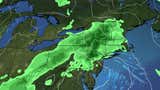
How to read the US Radar Weather Map? This map shows the location and intensity of precipitation in the United States. The color of the precipitation corresponds to the rate at which it is falling. Local, regional, and national radars are now updated in real time with the latest data every 15 minutes. Located at the top of the map, the key shows how the color of any radar-detected precipitation relates to the intensity of the precipitation. Colors on the left part of the key (green) correspond to lighter precipitation; colors on the right part of the key (yellow, orange, and red) correspond to heavier precipitation.
Use this page to... Get up-to-date minute weather information for U.S. and Canada, including current conditions, surface, radar and satellite maps.
Copyright © 2003-2013 123Loadboard.com™. All Rights Reserved. All logos and trademarks on this site are the property of their respective owners. Use of this site constitutes your acceptance of our Terms of Service and Privacy Policy. ID: 0265
For faster browsing, we suggest using Firefox (free download).